
• Home
  • Related Sites
    • Financial Trend Forecaster
      • Moore Inflation Predictor
      • NYSE Rate of Change (ROC)
      • NASDAQ Rate of Change (ROC)
      • Crypto ROC- BTC & ETH
    • Unemployment Data
      • Historical Employment Data
      • Unemployment Rate Chart
      • Labor Force Participation Rate
    • Optio Money
    • Elliott Wave University
    • More Resources
  • Definitions
    • What is Inflation?
    • What is Core Inflation?
    • Inflation vs CPI
    • What is Deflation?
    • What is Disinflation?
    • What is Agflation?
    • What is Stagflation?
    • What is Hyperinflation?
    • What is Quantitative Easing?
    • What is Quantitative Tightening?
    • What is Velocity of Money?
    • What is Fiat Currency?
    • How Do I Calculate Inflation?
    • What are “Sticky Prices” and Why Do They Matter?
  • Featured Content
  • About Us
  • Feedback
    • Sitemap
  • Subscribe Now

InflationData.com

Your Place in Cyber Space for Inflation Data

  • Numerical Inflation Data
    • Current Inflation Rate
    • Monthly Inflation Rate (Moved)
    • Historical U.S. Inflation Rates
    • Historical CPI
  • Inflation Charts
    • Ann. Inf. Rate Chart
    • Long Term Inflation >
      • Ave. Inf. by Decade
      • Total Inf. by Decade
      • Inflation 1913-1919
      • Inflation 1920-1929
      • Inflation 1930-1939
      • Inflation 1940-1949
      • Inflation 1950-1959
      • Inflation 1960-1969
      • Inflation 1970-1979
    • Cumulative Inflation
    • FED Monetary Policy and Inflation
    • Inflation and Recession
    • Confederate Inflation (1861 – 1865)
    • Misery Index
    • The 3 Stages of Inflation
    • 15-Yr Inflation Trends Chart
  • Inflation Calculators
    • Cumulative Inf. Calc.
    • How Much Would it Cost
    • Historical Inflation Calculator since 1774
    • Salary Inf. Calc.
    • U.K. Inf. Calc.
    • Cost of Gas Calc.
    • Net Worth Calc.
    • Lifetime Earnings Calc.
    • Savings Goal Calc.
    • Financial Calculators
  • Inf. Adjusted Prices
    • Energy >
      • Inflation Adj. Gas Prices
      • Historical Oil Prices Chart
      • Crude Oil Price (Table)
      • Natural Gas Prices
      • Electricity Prices
      • Oil vs Gold
    • Gold >
      • Inflation Adjusted Annual Average Gold Prices
      • Gold is a “Crisis Hedge” not an  “Inflation Hedge”
      • Comparing Oil vs. Gold
    • Corn Prices
    • Education Inflation
    • Housing Prices
    • Mortgage Rates
    • NYSE Index
    • Inf. Indexed Bonds
    • Movie Revenues
    • Inflation-Adjusted Wages
  • Cost of Living
    • Calculate Cost of Living
    • Cost-of-living Adj. (COLA)
    • Consumer Price Index CPI
      • Historical CPI
      • Current CPI
      • CPI Release Dates
    • Gas Prices >
      • Cost of Gas
      • Cost of Gas Per Month
      • Gas vs. Oil Price Chart
    • Food Prices 1913 vs 2013
    • Health Insurance
  • Blog
    • Key Inflation Articles
    • International Inflation
    • Historical Inflation Rates for Japan (1971 to 2014)
You are here: Home » Blog » Inflation » A Guide for Business Owners: How to Prepare Your Organization for Inflation

A Guide for Business Owners: How to Prepare Your Organization for Inflation

Published on September 14, 2020 by Guest Author Leave a Comment

COVID-19 has brought the global economy to its knees and in response, the governments of the world have opened the money printing spigots. The U.S. FED for instance has bought roughly 3 TRILLION in assets this year (labeled  “Quantitative  Easing  4” on this chart).
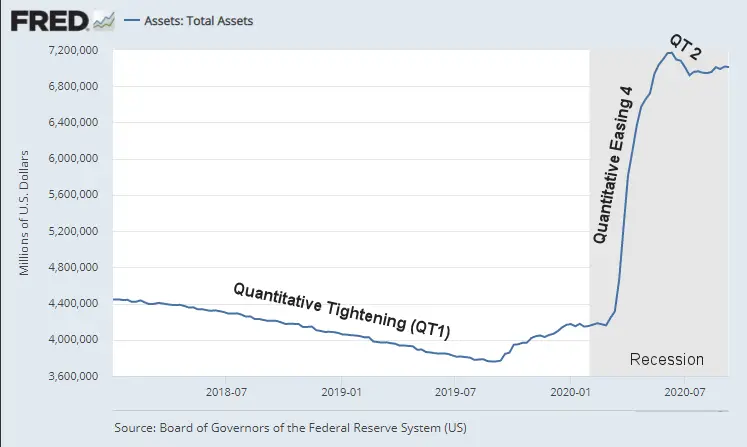
Fed Assets Sep 2020


Many fear that this much “money printing” will result in massive inflation or even hyperinflation. As you can see from the chart below, high inflation rates were the bane of the 1970s and early 1980s when the inflation rate rarely dipped below 4%. By contrast, the period beginning with the new millennium has rarely seen inflation go above 4%. Inflation in the 1970s caused much suffering and business disruption, which means that if your company is to survive this period of financial instability, you must be prepared should inflation rear its ugly head once again.
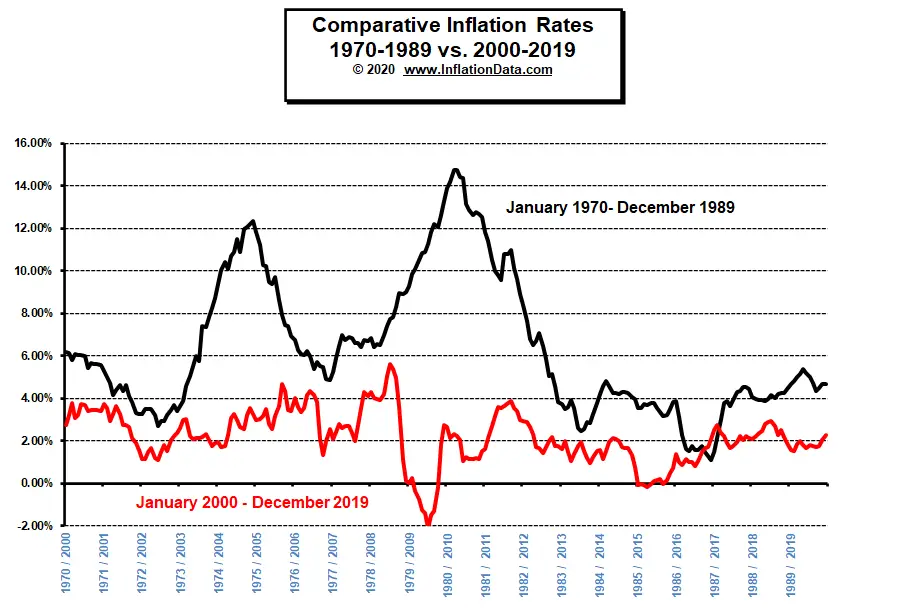
Inflation 1970-89 vs 2000-19

Come to Grips with Inflation

With inflation having been low in recent memory, those with experience dealing with inflation may have retired so corporate experience in dealing with this sort of problem is limited. So it is essential that management must come to grips with the concept of inflation if you want to stand a serious chance of preparing your business for it. By enhancing your understanding of this unprecedented period of financial uncertainty, you will greatly improve your chances of being able to cope with it when it does start to have an impact on the day-to-day running of your organization.

For those of you that haven’t taken the time to study inflation, here’s a basic rundown on what it entails:

  • Inflation is a period in which the overall prices of everyday goods and services start to rise.
  • Corporate cost of materials and labor rise squeezing profits.
  • Rising costs may or may not be able to be passed on to consumers depending on the price elasticity of demand (PED) of your products.
  • When inflation causes costs to rise, often interest rates will spike (this reduces economic scalability on both an individual and a societal level).
  • Rising interest rates can cause investors to chase interest-sensitive investments reducing cash flow or requiring companies to pay higher interest rates on borrowed capital.
  • Inflationary pressures cause customers to try to delay payments in order to be able to pay with “cheaper dollars” so cash flow suffers.

Adjust Your Pricing Strategy

Once you’ve gotten to grips with inflation and fully understand the danger that it poses, you need to start preparing your organization for it. Adjusting your pricing strategy is the first step that you should consider taking in this instance. True, raising your prices can reduce demand so you must constantly be alert to the proper balance of price to volume. One way to fight an anticipated inflationary scenario is to lock in prices early. You can do this either through options/futures contracts or simply by signing long term contracts with suppliers. The key is to lock in prices for supplies while allowing you to raise prices on sales. In other words, you want to aim for fixed costs and rising income.

Improve Your Cash Flow and Reduce Your Operating Costs

Economic inflation will increase the financial pressure that your business is under; there’s no denying that. One of the most effective ways of reducing costs is to improve your cash flow. Don’t let your customers take advantage of your payment policies, institute penalties for late payment, and stay on top of accounts receivables.

If you’re serious about improving your cash flow, you also need to cut expenses not only for materials but labor as well. One way to do this is to invest in robust financial software. This includes not only invoicing but also payroll software as well. There are a whole host of tools out there that will help you improve your cash flow, recently Zenefits Payroll software has gotten good reviews and allowed companies to cut costs without laying off personnel.

Ways to cut your day-to-day operating costs are to:

  • Hire Interns
  • Hire Freelancers
  • Conduct timely technology and services audits
  • Relocate to a smaller, less expensive working environment
  • Use Virtual Offices (Allow employees to work from home)
  • Renegotiate with your suppliers
  • Eliminate Finance Charges
  • Review your professional indemnity insurance policy
  • Ask Suppliers for Discounts

The financial waters are going to get choppy in the coming months; there’s no doubt about that. In your attempt to keep your business afloat, you need to face these challenges head-on.

The key to successfully negotiating an inflationary scenario is preparation, reducing costs, and being prepared to raise your own prices.

You might also like:

  • How Does Inflation Affect Businesses?
  • Why Inflation Affects Various Individuals Differently
  • What Causes Inflation? Rising Prices Explained
  • Will the $2 Trillion Covid-19 Stimulus Cause Inflation?
  • Is the FED Tightening or Is Hyperinflation on the Horizon?
  • Inflation: The Hidden Tax
  • Modern Monetary Theory


Filed Under: Inflation Tagged With: Business, Covid, Elasticity of Demand, hyperinflation, Inelastic, inflation

Leave a Reply Cancel reply

Your email address will not be published. Required fields are marked *

This site uses Akismet to reduce spam. Learn how your comment data is processed.

Recent Posts

  • May Inflation Up to 4.25%
  • May 2026: BLS April Inflation
  • How will FED Chairman Warsh affect Rates and Inflation?
  • Ben Cowan: Is the Fed Heading Toward Checkmate?
  • The Truth About Truflation vs. the BLS’s CPI

Subscribe Now

eTrends Signup Form

A Message from Our Editor

Eliminate Debt

Post Archives

Sponsored:

As a Seasoned Investor I thought I'd seen everything... But recently I discovered TradingView which has really improved the information I have at my fingertips.~ Tim McMahon, editor

TradingView gives me an edge... including powerful charting tools, real-time market data, and a global community of traders—all in one easy to use platform. It has hundreds of indicators, and even custom scripts for more advanced users, and you don't need to change Brokers just use its seamless brokerage integration... TradingView isn't just a charting tool—it's your full trading command center.

Trade smarter. Trade faster. Check Out TradingView for free.

----------

The Best Place to Buy Your Crypto

Coinbase is the largest Crypto Trading platform in the U.S. and the easiest to use. ~Tim McMahon, editor

Check out Coinbase here

Home | Articles | Sitemap | Terms of Service | Privacy | Disclaimer | Advertise With Us

Copyright © 1996-2026 · Capital Professional Services, LLC · Maintained by Design Synergy Studio · Admin

Do Not Sell My Personal Information
