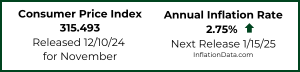
The fallout from inflation doesn’t always receive a balanced, informed portrayal from the media. This is somewhat understandable since, unless inflation makes a drastic move, its slow steady erosion of purchasing power is not considered newsworthy. However, as with most economic forces, not everyone “loses” when inflation boosts the everyday cost of living. Inflation can actually either benefit or destroy American businesses, and individual preparation for its eventual, inevitable impact often decides how detrimental or beneficial it is.
Foreign Exchange
International purchases become more costly as inflation diminishes the dollar’s purchasing power relative to other currencies. This drives up the expense of many commonly imported raw materials and manufacturing components. Every unit purchased costs more and complex supply chains often struggle in the short term to transition toward domestic suppliers. On the other hand, a weaker dollar makes exported finished American-made goods less expensive for overseas consumers in countries with comparatively stronger currencies.
Lending and Borrowing
Inflation dynamically affects lending institutions along a fairly predictable course from the cycle’s early stages to its well-advanced evolution. Many businesses fall prey to their attraction to the promise of easy loan approval during an initial boom period in which upward-trending inflation rates suggest whatever they borrow will cost less to repay as purchasing power erodes. This is especially helpful in long-term fixed-rate loans or bond issues. However, if a new business venture or expansion’s profits don’t increase as hoped, what once looked like a timely loan becomes a stubborn albatross capable of inflicting decades of debt.
Later in the inflation cycle, lenders (banks and bond purchasers) will recognize the inflationary trend and demand higher interest rates and bond coupon rates. High inflation rates can scare off bond buyers and lenders altogether, making borrowing very expensive or virtually impossible. This can result in a lack of expansion even if it would be profitable in other less inflationary environments.
Producer Price Index
The Producer Price Index (PPI) is similar to the Consumer Price Index (CPI) in that both track the cost of goods and services via an index that also provides the percentage increase on a monthly and annual basis. But they are different in the types of goods and services that they track. The CPI tracks prices that are relevant to Consumers such as housing, transportation, food, and clothing.
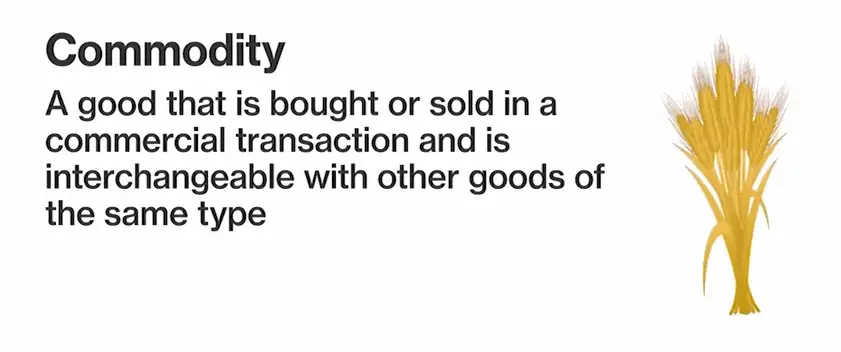
The PPI on the other hand tracks prices that are relevant to businesses such as commodities like grains, steel, lumber, and oil. It also includes, “processing stages” (i.e. unfinished goods in the process of being created) and finished goods. Finished goods are on the wholesale market and on their way to retailers. Once they arrive at the retailer they become subject to counting in the CPI.
Businesses often track the PPI in an effort to judge future cost increases and gauge profitability and make projections that may involve hedging future costs via futures contracts, etc.
Consumer Purchasing
Businesses can establish contingency plans to minimize revenue loss to the greatest possible extent in the face of rising inflation. Hiking prices gradually may forego disastrously sudden increases and keep your business ahead of competitors who inflict sticker shock on consumers by performing the opposite and forcing them to shop around for new options. Other businesses may shrewdly shrink their package sizes without dropping prices. This is known as “stealth inflation,” a practice of betting that consumers fixated on price alone won’t notice they are getting less for their money. These options are far from ideal as long-term strategies, but when desperate times call for desperate measures, they may ensure a business survives long enough to weather leaner times until the inflation cycle reaches an end.
Of course, when prices rise faster than incomes consumers have to cut back on spending which generally hits “luxury” goods first. People also put off buying new homes and new cars and instead opt to stick with what they have. This hurts the auto and construction industry. People also travel less, hurting the transportation and hospitality industry. As these industries cut back the slowdown spreads to other industries as well.
Inventory Costs
Potentially disastrous inventory shortages can arise amidst an inflation cycle when the inventory a business has just sold doesn’t cover the cost of replacement inventory. During the unprecedented inflationary peak of the 1970s, Toyota was one of the first and most successful Japanese automotive manufacturers to adopt “just-in-time” inventory management (JIT) to rein in constant restocking. The company would save carrying costs and inevitably stock less overall inventory by ordering new parts only when customers placed new orders. The JIT philosophy’s exact timing and development of supremely dependable inventory channels took more than 15 years to hone into a precise science. One delay could bring production to a screeching halt. However, the years of refinement have proven historically worthwhile.
Adversity redefines us all. Outsourced reports such as independent risk analysis and sourcing reports for private companies can make a crucial difference between inflation benefiting or destroying an American business. As illustrated above, companies that innovate, improvise, adapt and take well-informed action during inflation cycles stand a greater chance of surviving lean periods and outlasting competitors who fail to plan around such an inevitable economic contingency. It is never, ever a matter of “if” inflation will alter the marketplace. It is only a question of “when.” Once the cycle begins, there is no such thing as having too much data at one’s disposal.
You might also like:
- What is the Real Definition of Inflation?
- What is Quantitative Easing?
- What is the Velocity of Money?
- What is Fiat Currency?
- Why Does China Want to Lower the Value of Its Currency?


Leave a Reply