Central bankers don’t like surprises, so they tend to communicate among themselves in order to coordinate their response to every new crisis. And this week there was a wave of responses to the combination banking crisis and still high inflation.
The Cause
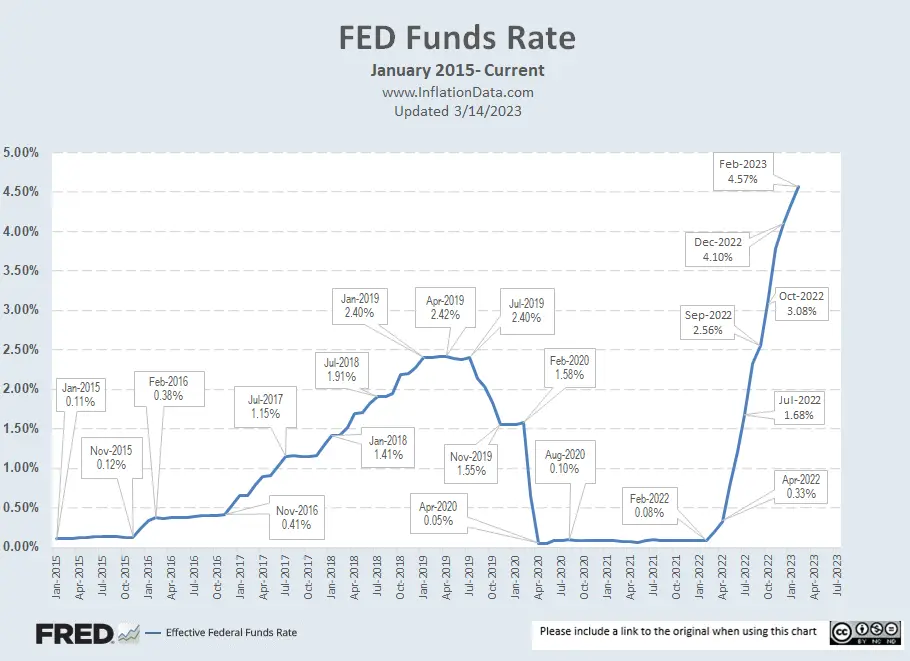
Raising interest rates from near zero to over 4.5% in a short period of time puts stress on banks’ liquidity as it causes an “inverted yield curve”, i.e., short-term interest rates are higher than the locked-in long-term rates. Thus banks are paying out more (on short-term deposits) than they are receiving (on long-term mortgages).
The Effect
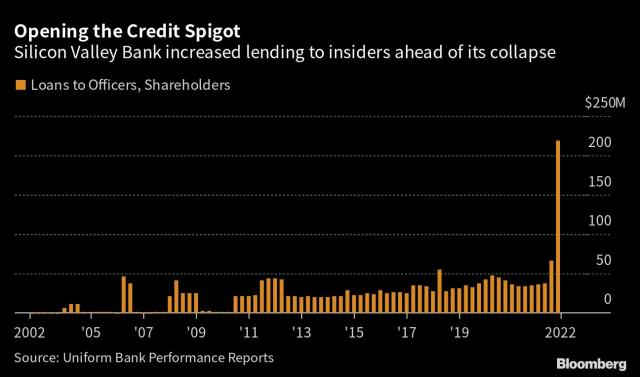
So you would think the Central Bankers would be prepared to deal with the banking crisis they are in the process of creating. After all, they’ve had a year to prepare during their “free ride” of raising rates with very few consequences. Perhaps, that lulled them into thinking there were no consequences to their actions. Then in the last couple of weeks, the “chickens have come home to roost” and banks like Silicon Valley Bank (SVB) which had the most dubious lending practices started to fail. In the last six months, it appears that SVB knew the end was near and made a massive shift toward reckless lending to bank officers and outright gifts to “woke” causes.
According to the NY Post, “A head of risk management at Silicon Valley Bank spent considerable time spearheading multiple “woke” LGBTQ+ programs, including a “safe space” for coming-out stories, as the firm raced toward collapse.”
The Washington Examiner reported that, “A report from the Claremont Institute showed that the bank donated $73,400,000 to Black Lives Matter and other social justice organizations in the wake of George Floyd’s death.”
At the opposite end of the spectrum, the Swiss were dealing with problems of their own. Credit Suisse was one of the world’s most powerful and inter-connected institutions, obviously “too big to fail”. But… when they turned to one of their “anchor investors” the Saudi National Bank (SNB) they were turned down flat, precipitating a crisis.
How the Central Banks Responded
The U.S. and the Swiss responded much differently to these similar events. Despite the fact that SVB was doing reckless and possibly illegal things, the U.S. guaranteed to make everyone whole no matter how shady. The Swiss on the other hand performed a forced merger with UBS (UBSG.S) after receiving $54 billion in central bank funding. The merger was at the bargain basement rate of 3 billion Swiss francs ($3.23 billion) in stock and UBS agreed to assume up to 5 billion francs ($5.4 billion) in losses. The deal includes 100 billion Swiss francs ($108 billion) in liquidity assistance for UBS and Credit Suisse from the Swiss central bank.
The major difference between the Swiss approach and the U.S. approach is that the Swiss left shareholders out in the cold. The “Basil Accord” created “Tier 1 Shares”. The Basel III accord states that the “predominant form of Tier 1 capital must be common shares and retained earnings.” With the stroke of a pen, the Swiss simply eliminated that 16 billion francs ($17.2 billion). Democrats in the U.S. would probably say this is unfair, but this is the free-market approach. Econ 101 will tell you that Creditors come first during bankruptcy proceedings and if anything is left over it goes to owners (i.e. stockholders). In this case, the Swiss said there was nothing left for (Tier 1) stockholders. This is what keeps the markets solvent. Without consequences, you end up encouraging more and more activities like SVB in a downward spiral toward extinction. By occasionally eliminating high-risk investments (and their investors) the system is purged and becomes self-correcting. Interestingly, one of the major losers in the elimination of the Tier 1 shares was the Saudi National Bank (SNB) which lost over $1 billion in the process.
David Stockman put it like this, “Banks not disciplined by their depositors and not at risk for deposit flight are dangerous institutions. They leave bank executives free to swing for the fences on the asset-side of their balance sheets without fear that attentive depositors will move their money to safer pastures.”
Eliminating assets/debt is deflationary and precisely what is needed in this high inflation time. The Swiss National Bank also raised its interest rate by 50 basis points Thursday and signaled more to come. So, unsurprisingly, the Swiss are firmly on the side of fighting inflation.
Bloomberg Economics estimates that the stress on banks should be the equivalent of the FED raising rates by 1/2%. But, guaranteeing bad debt and even pumping more liquidity into the failing system as the U.S. seems to be doing is the opposite of what the FED is trying to do. In addition, the FED only raised rates by 1/4%.
The Bank of England also increased its borrowing costs by 1/4% to 4.25%. Norway’s central bank, Norges Bank, also increased its key interest rate by 1/4%.
When the prevailing sentiment is that everyone should be free from the consequences of their actions all roads lead to inflation.
Mixed Messages
While Jerome Powell was giving a message of calm during his regular meeting, former FED head and current Treasury Secretary Janet Yellen was answering questions in front of Congress about specific actions the Treasury might take. Although technically correct, her response sent markets tumbling. Basically, she said that without action from Congress, there were no tools in place to bail out bank investors. Implying that U.S. bank investors might suffer the same fate as the Saudis in Switzerland. But this was spun by the media (or at least perceived by the masses) as meaning that depositors were somehow at risk. So, the next day, Yellen backtracks and announces that there is no need to worry, EVERYONE will be bailed out by the government… resulting in another move toward inflation.
When the prevailing sentiment is that everyone should be free from the consequences of their actions all roads lead to inflation. So, despite Powell’s trying to curb inflation it seems that everyone (whether purposely or not), from Congress to his predecessor Yellen is doing everything they can to create more inflation.


Leave a Reply