
• Home
  • Related Sites
    • Financial Trend Forecaster
      • Moore Inflation Predictor
      • NYSE Rate of Change (ROC)
      • NASDAQ Rate of Change (ROC)
      • Crypto ROC- BTC & ETH
    • Unemployment Data
      • Historical Employment Data
      • Unemployment Rate Chart
      • Labor Force Participation Rate
    • Optio Money
    • Elliott Wave University
    • More Resources
  • Definitions
    • What is Inflation?
    • What is Core Inflation?
    • Inflation vs CPI
    • What is Deflation?
    • What is Disinflation?
    • What is Agflation?
    • What is Stagflation?
    • What is Hyperinflation?
    • What is Quantitative Easing?
    • What is Quantitative Tightening?
    • What is Velocity of Money?
    • What is Fiat Currency?
    • How Do I Calculate Inflation?
    • What are “Sticky Prices” and Why Do They Matter?
  • Featured Content
  • About Us
  • Feedback
    • Sitemap
  • Subscribe Now

InflationData.com

Your Place in Cyber Space for Inflation Data

CPIWidget-Jan26
  • Numerical Inflation Data
    • Current Inflation Rate
    • Monthly Inflation Rate (Moved)
    • Historical U.S. Inflation Rates
    • Historical CPI
  • Inflation Charts
    • Ann. Inf. Rate Chart
    • Long Term Inflation >
      • Ave. Inf. by Decade
      • Total Inf. by Decade
      • Inflation 1913-1919
      • Inflation 1920-1929
      • Inflation 1930-1939
      • Inflation 1940-1949
      • Inflation 1950-1959
      • Inflation 1960-1969
      • Inflation 1970-1979
    • Cumulative Inflation
    • FED Monetary Policy and Inflation
    • Inflation and Recession
    • Confederate Inflation (1861 – 1865)
    • Misery Index
    • The 3 Stages of Inflation
    • 15-Yr Inflation Trends Chart
  • Inflation Calculators
    • Cumulative Inf. Calc.
    • How Much Would it Cost
    • Salary Inf. Calc.
    • Cost of Living Calc.
    • U.K. Inf. Calc.
    • Cost of Gas Calc.
    • Net Worth Calc.
    • Lifetime Earnings Calc.
    • Savings Goal Calc.
    • Financial Calculators
  • Inf. Adjusted Prices
    • Energy >
      • Inflation Adj. Gas Prices
      • Historical Oil Prices Chart
      • Crude Oil Price (Table)
      • Natural Gas Prices
      • Electricity Prices
      • Oil vs Gold
    • Gold >
      • Inflation Adjusted Annual Average Gold Prices
      • Gold is a “Crisis Hedge” not an  “Inflation Hedge”
      • Comparing Oil vs. Gold
    • Corn Prices
    • Education Inflation
    • Housing Prices
    • Mortgage Rates
    • NYSE Index
    • Inf. Indexed Bonds
    • Movie Revenues
    • Inflation-Adjusted Wages
  • Cost of Living
    • Calculate Cost of Living
    • Cost-of-living Adj. (COLA)
    • Consumer Price Index CPI
      • Historical CPI
      • Current CPI
      • CPI Release Dates
    • Gas Prices >
      • Cost of Gas
      • Cost of Gas Per Month
      • Gas vs. Oil Price Chart
    • Food Prices 1913 vs 2013
    • Health Insurance
  • Blog
    • Key Inflation Articles
    • International Inflation
    • Historical Inflation Rates for Japan (1971 to 2014)
You are here: Home » Blog » Uncategorized » How the Inflation Cycle Influences the Job Market

How the Inflation Cycle Influences the Job Market

Published on August 27, 2017 by Guest Author Leave a Comment

Inflation is generally a gradual process, so most people don’t put much thought into inflation, since it happens so slowly.  But certain things can cause inflation to occur at a faster rate than it normally would and at times countries even experience hyperinflation like Zimbabwe did several years ago and Venezuela is now. But even when it is gradual, creeping inflation can have a major effect on just about everyone. Generally, when we think of inflation we think of rising food prices. But although you might never have really thought about it, inflation can have a huge impact on everything from food to cars to the job market i.e. both products and services. Here are a few ways that inflation has caused changes that affect both employers and employees.

Inflation in Relation to Salaries
Inflation

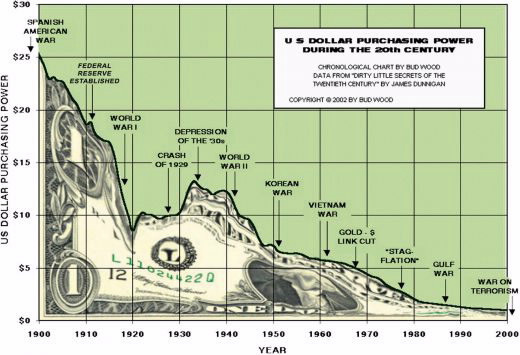
In the early stages of an inflation cycle, the economy starts booming as more money begins circulating around in the economy. Companies aren’t as interested in cutting costs because there is so much money floating around. (What they don’t realize yet is that each dollar is worth less because the money supply has increased). All they know is that more people are buying their products


or services. Unemployment rates are going down and it is more difficult to find and retain qualified workers so companies have to pay employees more. This in turn gives employees more purchasing power thus boosting the cycle even further.

Encouraging Employers to Look for Other Benefits


As every human resources department tries to capture the best employees for themselves they begin to look for creative ways to lure them in, such as offering benefits like paid time off, and health insurance, and then expanding to more esoteric benefits like in-office gyms, massages, free lunch, casual dress code, etc., rather than just pay raises.

So far everything is wonderful and if everything stayed like this forever inflation would be the magic cure for all economic ills. But like any drug, after a while it stops having the desired effect and you need bigger and bigger doses to get the same high.  At some point, the people catch on to the idea that their money is buying less and their increased salaries aren’t buying as much as their old lower salary used to. So households begin cutting back on expenses. Then companies begin to see lower sales and higher expenses. As the economy continues contracting many families are forced to live on a stricter budget. Families begin restricting purchases to basic groceries and essentials which continue to go up in price, and for many families, this can mean tricky financial situations. It also means where mothers might prefer to stay at home, now women have to work to supplement household incomes.

Reducing Jobs

At this point in the inflation cycle, companies find they are having to pay out more than ever to keep their businesses going, which is having a major effect on their bottom line. Rising costs and falling profit margins cause employers to try to reduce expenses. They can’t buy less materials and still produce the same number of goods, so they cut expenses by decreasing the number of employees they have to pay and squeezing more work out of each employee. At first this can actually improve efficiency by eliminating the “deadwood” and non-productive employees, i.e. the ones spending all their time at the watercooler and distracting other employees who are trying to work and reducing their productivity. This phase isn’t really super profitable but more of a plateau period where increased productivity and reduced labor costs contain inflation based cost increases but they don’t have a major impact on long term growth.  But at some point employees get overworked, frustrated and burnt out. At that point, productivity starts decreasing and costs start increasing once again, as other costs continue to rise.  Eventually, companies are forced to cut even more drastically, laying-off even good employees causing the unemployment rate to skyrocket and the economy to fall into recession. At this point in the cycle, competition for jobs (any job) gets fierce and even the best employees are scrambling.

What to Do During a Recession

During a recession the economy is contracting, unemployment is escalating, and those who were once content with their current jobs, are finding they just aren’t making enough money to get by anymore. For those folks who do get laid-off, going back to school (when you’re unable to find a job anyway) may be the best option… if you can somehow afford to cover the costs.  After all, getting an education can help open up a person’s opportunities and can help to find better-paying employment once the economy turns around.  See: The Difference a Degree Makes in Unemployment Levels


See Also:

  • Inflation and the Money Supply
  • Inflation Cause and Effects
  • What causes inflation
  • Inflation and Velocity of Money


Filed Under: Uncategorized Tagged With: inflation, Inflation Cycle, Jobs, salaries

Leave a Reply Cancel reply

Your email address will not be published. Required fields are marked *

This site uses Akismet to reduce spam. Learn how your comment data is processed.

Latest Posts

  • BLS Inflation Data Delayed
  • Updated Cumulative Inflation Calculator
  • Inflation-Adjusted Silver Prices
  • December Inflation Down Slightly, Not Flat
  • December 2025 Inflation Report for November
  • How Deflation Created the Middle Class
  • October Inflation Numbers Delayed
  • Why the 2.8% COLA May Fall Short of Real Inflation

Sponsored:

As a Seasoned Investor I thought I'd seen everything... But recently I discovered TradingView which has really improved the information I have at my fingertips.~ Tim McMahon, editor

TradingView gives me an edge... including powerful charting tools, real-time market data, and a global community of traders—all in one easy to use platform. It has hundreds of indicators, and even custom scripts for more advanced users, and you don't need to change Brokers just use its seamless brokerage integration... TradingView isn't just a charting tool—it's your full trading command center.

Trade smarter. Trade faster. Check Out TradingView for free.

----------

The Best Place to Buy Your Crypto

Coinbase is the largest Crypto Trading platform in the U.S. and the easiest to use. ~Tim McMahon, editor

Check out Coinbase here

Subscribe Now

eTrends Signup Form

Elliott Wave Resources

Free Elliott Wave Resources

What is Waveopedia?

Waveopedia is EWI’s free, comprehensive index of Elliott wave patterns and terms. Everyone from beginners to experts can benefit from it. It’s a great place to send your followers if they’re new to Elliott waves.

  • Deflation Hits China is the U.S. Next?

  • Why You Must Avoid the Herding Trap

  • Chasing Trends Can Cost You

  • More Education Resources

Post Archives

Home | Articles | Sitemap | Terms of Service | Privacy | Disclaimer | Advertise With Us

Copyright © 1996-2026 · Capital Professional Services, LLC · Maintained by Design Synergy Studio · Admin

Do Not Sell My Personal Information
