One of the major factors affecting an election’s outcome is the nation’s economy during the election year. In terms of trading and from an investment standpoint, financial security is a huge issue. But unlike recent election years, forecasters predict a strong economy in 2016 during the presidential race. Economic conditions can change however, depending on which candidate wins.
With the US Presidential Election still a good six months away (November 8, 2016), how will it affect inflation and the economy as a whole?
Low Unemployment Rate
Researchers in political science, project that unemployment will be at its lowest, since the election in 2000 (Bush versus Gore) when it was at 3.9%. The median forecast of the unemployment rate is that by November it will be 4.8%, which is down 1/2% from 5.3% mid last year.
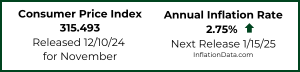
Currently some pundits are putting the chances of a recession after the election at approximately 15%. By historical standards, interest rates, inflation and crude prices should remain low until election day, but will probably be a bit higher than they are now in the months immediately preceding the November election. The Australian Business News reported that US consumer prices recorded their biggest increase in more than three years in April. If inflation continues to build it may force the Federal Reserve to raise interest rates later this year if inflation nears their 2% inflation target, but with current inflation rates at only 1.13% there is still a long way to go. However, due to the long lag time between FED action and it affecting the economy the FED needs to be proactive and raise rates well before inflation gets out of hand.
Affecting the US Dollar
 The economy is greatly affected by the election period, particularly the value of the US dollar. According to FXCM Market Insights, this is due to the “presidential election cycle theory”. Typically the economy and the US dollar during the first year after a new president is elected often presents a weak performance which will gradually increase with a strong return in the third and fourth year of their term. The effect is brought about by the amount of successful policy changes by the new administration that shrinks the uncertainty of the market in general.
Presidential candidates all promise to create more jobs, reduce national debt, and build a strong national economy, which tends to strengthen the US dollar. Although Republican and Democrat parties both promise to strengthen the economy, their means of achieving this goal are different. Republicans typically focus on national debt reductions and the creation of jobs within the private sector, while Democrats concentrate on public sector job creation and increasing governmental spending.
Candidates’ Promises
 With plenty of election rhetoric being thrown around during this period, it can be hard to tell what effect it will have on the economy. But some key factors that will affect the economy and the inflation rate are:
1. Foreign Policy- A recent Washington Post article stated, “a surefire way to depress American economic growth in the future is for American foreign policy to blunder into a great power war. Great power wars do a bang-up job of destroying wealth and disrupting economic exchange. “
2. Minimum Wage- Raising the minimum wage could increase the unemployment rate by pushing marginal workers out of jobs while increasing labor costs across the board.
3. Fiscal responsibility- Fiscal policy can have important long-run effects on the health of the economy, particularly through its impact on national saving and the growth of productivity.
4. International Trade- Open trade can foster lower prices and thus a healthy consumer but it can also foster a loss of jobs due to them moving to lower cost countries. This is the primary argument against NAFTA in that it encouraged many domestic jobs to move overseas.
5. Tax Policy- Like Trade policy, Tax policy can reward or punish companies seeking to either import or export jobs. According to Donald Trump, “Politicians in Washington have let America fall from the best corporate tax rate in the industrialized world in the 1980’s (thanks to Ronald Reagan) to the worst rate in the industrialized world [encouraging companies to leave the U.S.]… Right now, freelancers, sole proprietors, unincorporated small businesses and pass-through entities are taxed at the high personal income tax rates. This treatment stifles small businesses.”


Leave a Reply