• Home
  • Related Sites
    • Financial Trend Forecaster
      • Moore Inflation Predictor
      • NYSE Rate of Change (ROC)
      • NASDAQ Rate of Change (ROC)
      • Crypto ROC- BTC & ETH
    • Unemployment Data
      • Historical Employment Data
      • Unemployment Rate Chart
      • Labor Force Participation Rate
    • Optio Money
    • Elliott Wave University
    • More Resources
  • Definitions
    • What is Inflation?
    • What is Core Inflation?
    • Inflation vs CPI
    • What is Deflation?
    • What is Disinflation?
    • What is Agflation?
    • What is Stagflation?
    • What is Hyperinflation?
    • What is Quantitative Easing?
    • What is Quantitative Tightening?
    • What is Velocity of Money?
    • What is Fiat Currency?
    • How Do I Calculate Inflation?
    • What are “Sticky Prices” and Why Do They Matter?
  • Featured Content
  • About Us
  • Feedback
    • Sitemap
  • Subscribe Now

InflationData.com

Your Place in Cyber Space for Inflation Data

CPIWidget-Jan26
  • Numerical Inflation Data
    • Current Inflation Rate
    • Monthly Inflation Rate (Moved)
    • Historical U.S. Inflation Rates
    • Historical CPI
  • Inflation Charts
    • Ann. Inf. Rate Chart
    • Long Term Inflation >
      • Ave. Inf. by Decade
      • Total Inf. by Decade
      • Inflation 1913-1919
      • Inflation 1920-1929
      • Inflation 1930-1939
      • Inflation 1940-1949
      • Inflation 1950-1959
      • Inflation 1960-1969
      • Inflation 1970-1979
    • Cumulative Inflation
    • FED Monetary Policy and Inflation
    • Inflation and Recession
    • Confederate Inflation (1861 – 1865)
    • Misery Index
    • The 3 Stages of Inflation
    • 15-Yr Inflation Trends Chart
  • Inflation Calculators
    • Cumulative Inf. Calc.
    • How Much Would it Cost
    • Salary Inf. Calc.
    • Cost of Living Calc.
    • U.K. Inf. Calc.
    • Cost of Gas Calc.
    • Net Worth Calc.
    • Lifetime Earnings Calc.
    • Savings Goal Calc.
    • Financial Calculators
  • Inf. Adjusted Prices
    • Energy >
      • Inflation Adj. Gas Prices
      • Historical Oil Prices Chart
      • Crude Oil Price (Table)
      • Natural Gas Prices
      • Electricity Prices
      • Oil vs Gold
    • Gold >
      • Inflation Adjusted Annual Average Gold Prices
      • Gold is a “Crisis Hedge” not an  “Inflation Hedge”
      • Comparing Oil vs. Gold
    • Corn Prices
    • Education Inflation
    • Housing Prices
    • Mortgage Rates
    • NYSE Index
    • Inf. Indexed Bonds
    • Movie Revenues
    • Inflation-Adjusted Wages
  • Cost of Living
    • Calculate Cost of Living
    • Cost-of-living Adj. (COLA)
    • Consumer Price Index CPI
      • Historical CPI
      • Current CPI
      • CPI Release Dates
    • Gas Prices >
      • Cost of Gas
      • Cost of Gas Per Month
      • Gas vs. Oil Price Chart
    • Food Prices 1913 vs 2013
    • Health Insurance
  • Blog
    • Key Inflation Articles
    • International Inflation
    • Historical Inflation Rates for Japan (1971 to 2014)
You are here: Home » Blog » Government » Treasury » Lessons from TARP Boss Neil Barofsky

Lessons from TARP Boss Neil Barofsky

Published on May 20, 2013 Updated on June 2, 2021 by Bill Bonner Leave a Comment

By Bill Bonner

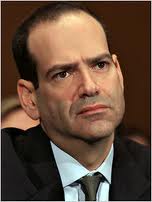
Yesterday evening we drove down to Zombietown. A friend in Washington had promised to introduce us to Neil Barofsky, inspector general of the TARP program.

You remember TARP? It was the feds’ $700 billion program to rescue the US economy from a correction. Neil Barofsky was in charge of it. So we decided to go down and ask him how it turned out…

Rewarding Mistakes

Bill: So… where did the $700 billion go?
TARP- Barofsky

Neil Barofsky

Barofsky: “I wondered the same thing,” he said (from memory). “It was amazing to me that no one knew. We gave it to the banks. But no one knew what they did with it. I proposed to Tim Geithner that we find out. He was outraged. He cursed me out, using the F-word. He said it would bring the whole banking system down, if I asked.

“I went ahead and sent out a letter. I didn’t really have the authority or the staff to insist. But all of the big banks wrote back. And most of them gave me dodgy responses or gave me the brush-off.

“What did they do with the money? They were supposed to increase lending to help bring about a recovery. None of them did that. Instead, they used it to repay each other’s loans. In other words, they used it to reduce the amount of credit available… not increase it. And they bought US agency bonds… just as you’d expect. And they paid out their bonuses.

“In other words, they looked out for themselves… just as you’d expect. I didn’t know this information was going to bring down the banking system…

“The whole thing was so perverse, I can barely believe it. In a normal financial system, if a bank made a bad bet, it would pay a penalty. Counterparties might lend more money to it, but they’d want higher rates of interest to protect themselves.

“But here, in the bubble years, all the big banks made some of the worst bets in history… and what happened? The government stepped in… and lent them money… at lower rates of interest. They were rewarded for their mistakes. The good banks – that didn’t have the backing of the government – actually paid higher rates of interest to borrow money than the bad banks.

“Another thing I wanted to know was exactly how much money was really at risk. We gave away $700 billion. But we also guaranteed loans… and gave lines of credit… and stood behind various financial transactions. I asked how much was at stake… how much was at risk. No one seemed to know. So we added it up. We found a total of $23 trillion. That’s ‘trillion’ with a capital ‘T.’

“Again, I’m not saying that we would ever have to pay out that much. Some of this was guarantees on top of guarantees and cross-guarantees… very murky… very difficult to disentangle. But I thought it was worth knowing how much we had at risk. And again, the banks didn’t want to tell. And the people in the Treasury department didn’t want to know.

“The more questions I asked, the more I found myself isolated… and at odds with the Treasury Department, as well as the banks. I was having shouting matches in the Treasury. The banks hated me. And then the undersecretary of the Treasury called me into his office.

“He explained that if I eased up on the banks, I could have a very nice career after the TARP appointment expired. If I didn’t play ball with them, I would find it hard to find a job.

“That’s how it works. You go along and you get along. If you don’t go along with the scams and the technical mumbo jumbo… you’re out.”

Bill: That’s how a zombie economy works, dear reader. The zombies throttle the girls. You look the other way. Or else…

Regards,

Bill

Other Articles by Bill Bonner:

  • Experimental (Reckless) Monetary Policy
  • Why Inflation is U.S. Hottest Export
  • Why Money Printing Makes You Poorer

See Also:

  • Why is the US Federal Government Afraid of Deflation?
  • Deflation or Inflation – Which is it?

Recommended by Amazon:

  • Bailout: An Inside Account of How Washington Abandoned Main Street While Rescuing Wall Street
  • The Payoff: Why Wall Street Always Wins
  • Predator Nation: Corporate Criminals, Political Corruption, and the Hijacking of America
  • Mobs, Messiahs, and Markets: Surviving the Public Spectacle in Finance and Politics by Bill Bonner
  • Dice Have No Memory: Big Bets and Bad Economics from Paris to the Pampas by Bill Bonner

This article originally appeared in Bill Bonner’s Diary of a Rogue Economist as What TARP boss Neil Barofsky told me yesterday should shock you

About Bill Bonner

Bill has co-written two New York Times bestselling books, Financial Reckoning Day and Empire of Debt. He has written or co-written other widely read books as well, and has penned a daily column at The Daily Reckoning for over 12 years. Recently, Bill decided to “retire” from his role at The Daily Reckoning and begin writing his Diary of a Rogue Economist.

  • Web
  • |
  • More Posts(4)

Filed Under: Government, Treasury Tagged With: Bailout, banks, Barofsky, TARP, Traesury

Leave a Reply Cancel reply

Your email address will not be published. Required fields are marked *

This site uses Akismet to reduce spam. Learn how your comment data is processed.

Latest Posts

  • Updated Cumulative Inflation Calculator
  • Inflation-Adjusted Silver Prices
  • December Inflation Down Slightly, Not Flat
  • December 2025 Inflation Report for November
  • How Deflation Created the Middle Class
  • October Inflation Numbers Delayed
  • Why the 2.8% COLA May Fall Short of Real Inflation
  • Delayed BLS September Inflation Data Released

Sponsored:

As a Seasoned Investor I thought I'd seen everything... But recently I discovered TradingView which has really improved the information I have at my fingertips.~ Tim McMahon, editor

TradingView gives me an edge... including powerful charting tools, real-time market data, and a global community of traders—all in one easy to use platform. It has hundreds of indicators, and even custom scripts for more advanced users, and you don't need to change Brokers just use its seamless brokerage integration... TradingView isn't just a charting tool—it's your full trading command center.

Trade smarter. Trade faster. Check Out TradingView for free.

----------

The Best Place to Buy Your Crypto

Coinbase is the largest Crypto Trading platform in the U.S. and the easiest to use. ~Tim McMahon, editor

Check out Coinbase here

Subscribe Now

eTrends Signup Form

Elliott Wave Resources

Free Elliott Wave Resources

What is Waveopedia?

Waveopedia is EWI’s free, comprehensive index of Elliott wave patterns and terms. Everyone from beginners to experts can benefit from it. It’s a great place to send your followers if they’re new to Elliott waves.

  • Deflation Hits China is the U.S. Next?

  • Why You Must Avoid the Herding Trap

  • Chasing Trends Can Cost You

  • More Education Resources

Post Archives

Home | Articles | Sitemap | Terms of Service | Privacy | Disclaimer | Advertise With Us

Copyright © 1996-2026 · Capital Professional Services, LLC · Maintained by Design Synergy Studio · Admin

Do Not Sell My Personal Information